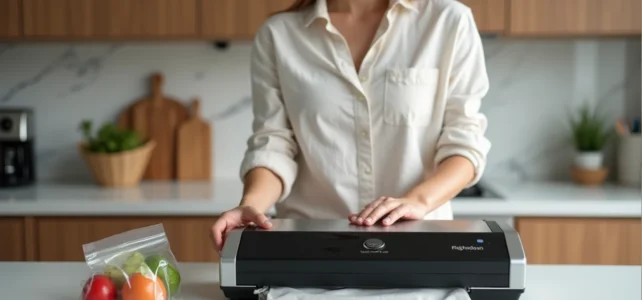
The Crenova VS100S is one of those entry-level vacuum machines that have been circulating on marketplaces for several years. Its low price and availability have made it a frequent choice for households discovering food vacuum sealing.
The market has changed since its release, with the arrival of cordless models, devices sold in large retail at cut prices, and machines designed for home sous vide cooking. Reevaluating the VS100S in this context allows us to measure what it still offers against current competition.
Read also : How to Easily Automate Your Online Tasks with Efficient Scripts
Sealing and suction of the Crenova VS100S: how the motor performs daily
The strong point regularly highlighted about the VS100S is the sealing quality considered adequate for its price range. The sealing bar creates a clean closure on compatible bags, which is sufficient for storing common products (meats, vegetables, meal leftovers) in the refrigerator or freezer.
The suction operates in a classic mode: a suction channel integrated into the lid, with manual locking by pressing on the sides. The machine offers two modes, a standard packaging mode and a pulse function for delicate foods (soft fruits, bread, chips). This pulse function allows for manual control of the suction intensity by holding down the button, which prevents crushing.
You may also like : The latest fashion trends and news to absolutely follow this season
However, user feedback diverges on one specific point: overheating during intensive use. Packing a dozen bags in a row, as during a batch cooking session, can trigger a safety shutdown. The machine must then be allowed to cool for several minutes before resuming. For occasional use (two to five bags per session), this flaw does not manifest. For bulk packaging, it becomes a real hindrance.
This point clearly distinguishes the VS100S from mid-range machines, which incorporate more efficient cooling systems or motors designed for prolonged operation. A comparison between Crenova VS100S and other models allows for precise positioning of these performance gaps according to usage.
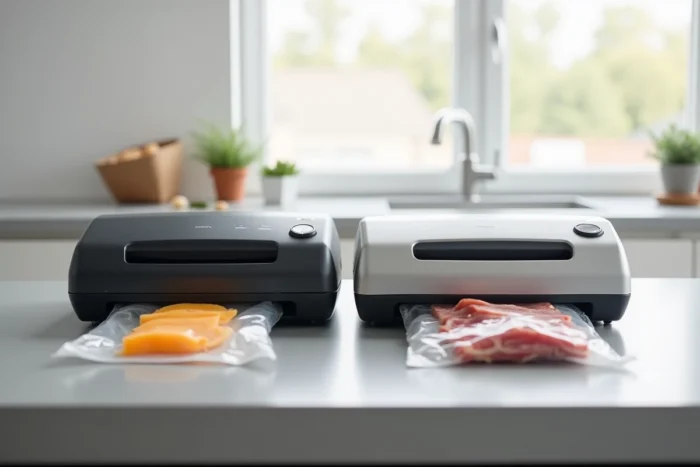
Wireless vacuum machine: the VS100S against new rechargeable devices
The entry-level segment has evolved significantly. Since 2024, several manufacturers have been offering cordless and rechargeable vacuum machines priced similarly to traditional wired devices like the VS100S. The TOP FRESH device, showcased at the Paris Fair, illustrates this trend: a compact format, cordless, rechargeable via USB, designed for portable use or in a kitchen where storage space is limited.
The VS100S, with its wired format and bulkiness of a traditional sealing machine, seems outdated compared to these alternatives. The power cord requires it to be placed near an outlet, complicating its use on an already cluttered countertop.
At the same time, large retail chains have slashed prices. For example, Lidl sells the Silvercrest, a vacuum machine priced under fifteen euros. This type of offer diminishes the main argument for the VS100S, which was its accessible quality-price ratio. When a supermarket device sometimes costs less than a pack of replacement bags, the question of positioning arises.
Compatible vacuum bags and accessories: often underestimated costs
The purchase of the machine represents only part of the actual budget. The VS100S works with textured bags compatible with most generic brands, which avoids being locked into a proprietary ecosystem. This is a tangible advantage over certain systems like FoodSaver, where dedicated consumables are significantly more expensive.
The machine comes with a roll of vacuum film, but this runs out quickly. Here are the points to check before investing:
- The width of bags accepted by the suction channel, which limits the maximum size of packaged portions
- Compatibility with cutting rolls, which are more economical in the long term than pre-cut bags
- The absence of an external suction port on the VS100S, making it impossible to use vacuum boxes or jar lids without an adapter
This last point is a discriminating factor. Machines in the same price range increasingly incorporate an external suction port for jars and rigid containers. Not having this function limits the VS100S to sealing bags only, while vacuum preservation in jars is widely used for marinades, liquid preparations, or meal leftovers.
Crenova VS100S: for which user profile in practice
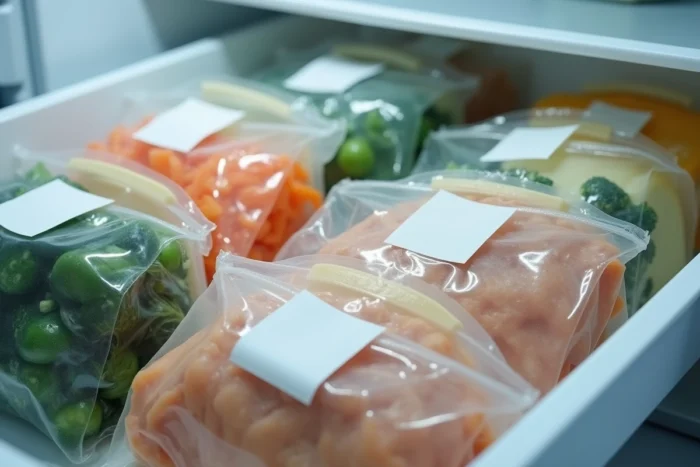
The VS100S remains functional for a very defined use: packaging a few portions per week, mainly meat or vegetables, without the need for versatility. Its reliable sealing and pulse function meet this requirement with ease.
However, three situations make this device unsuitable:
- Regular batch cooking, where overheating becomes an obstacle at each session
- Preservation in jars or rigid containers, impossible without an external suction port
- Home sous vide cooking, which requires heat-resistant bags and a perfectly airtight seal over time, two parameters where recent machines offer more guarantees
For a first purchase without commitment, the VS100S fulfills its role. For regular or evolving use, current alternatives (cordless models, devices with external ports, low-cost machines from large retailers) better meet real needs. The home vacuum sealing market has progressed enough that price alone no longer justifies sticking to a device designed several years ago.