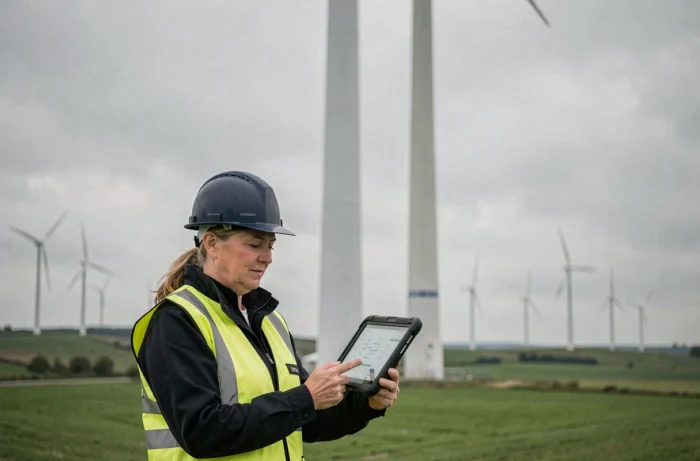
The energy sector in France is no longer just a race for installed megawatts. The report published on September 9, 2026, by the Energy Regulatory Commission (CRE) shifts the focus: the main challenge now is to synchronize renewable production and electricity consumption, while simultaneously developing the electrification of uses and the flexibility tools of the grid.
Electric Flexibility: The Concept Redefining the French Grid
Flexibility refers to the ability of an electrical system to adjust in real-time the balance between supply and demand. It relies on three complementary levers: energy storage, demand response (temporarily reducing demand upon signal), and smart load management.
As long as renewable capacities remained modest, the grid absorbed variations without major difficulties. With the rapid growth of the solar and wind fleet, production fluctuates more according to weather and seasons. The CRE report warns that strong growth of the fleet without a parallel increase in consumption would not be sustainable in the long term.
Among AG Energie’s news, this tension between production and integration regularly resurfaces, indicating that the sector has recognized the issue. Flexibility is no longer a laboratory topic; it conditions the economic viability of each new connected park.
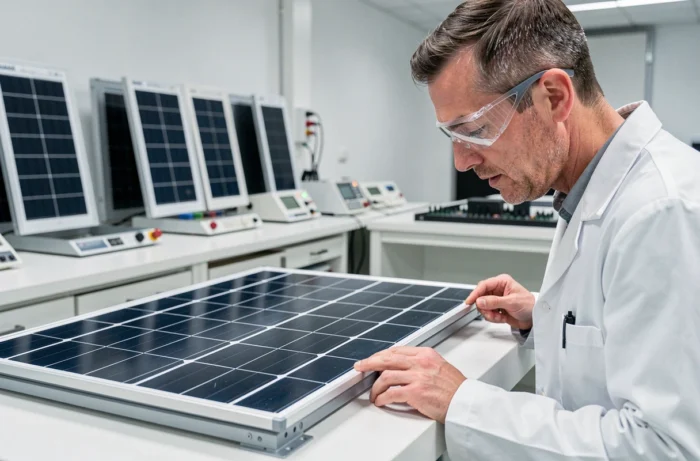
Multi-Use Battery Storage: Beyond Self-Consumption
Residential storage has long been presented from a single angle: consuming the electricity produced by one’s panels. This view is now significantly broadening.
An analysis published by PV Magazine France on September 7, 2026, describes batteries capable of arbitrating between multiple functions simultaneously:
- Local self-consumption, to absorb solar production during the day and return it in the evening
- Injection into the grid during high-price hours, turning the individual or business into a temporary supplier
- Response to price signals and electrical reserves, contributing to the stability of the national grid
- Aggregated flexibility services, where several coordinated batteries replace a peaking power plant
This multi-use model changes the economic game. A battery that only serves for self-consumption takes years to become profitable. A battery that accumulates multiple revenue sources significantly shortens this timeframe.
Decrease in Compensation for Photovoltaic Surplus
One factor accelerating this transition is the compensation for photovoltaic surplus injected into the grid has recently decreased. For households equipped with solar panels, selling surplus becomes less attractive than storing or consuming it locally. This price signal naturally pushes towards the installation of batteries and towards smarter consumption behaviors.
Electrification of Uses: Mobility, Heating, and Industry
The CRE report from September 9, 2026, recommends accelerating electrification in four areas: mobility, heating, industry, and digital uses. This is not a catalog of good intentions; it is a condition set for the development of renewables to remain economically coherent.
The renewable capacities connected since 2020 have contributed to reducing market electricity prices. At first glance, this is good news. In practice, if consumption does not increase in parallel, prices drop too low and undermine the profitability of installations.

The electrification of transport (electric vehicles, charging stations) and heating (heat pumps) creates additional demand that absorbs renewable production. Without this demand, the system finds itself in overproduction at certain times, forcing parks to throttle or export at a loss.
The Role of Demand Management
Electrification alone is not enough if the new consumption concentrates at the same times as the old. Demand management involves shifting certain uses to times when renewable production is abundant. Charging a vehicle in the middle of the day rather than in the evening, programming a water heater during solar hours: these adjustments, multiplied on a large scale, reduce the need for storage and peaking power plants.
System Integration: The Real Technical Challenge of Renewables in France
Competitors on this subject extensively detail the progress of solar panels or wind turbines. The efficiency of photovoltaic cells is improving, and turbines are gaining power. These advances matter, but they do not solve the central problem: how to integrate intermittent sources into a grid designed for controllable power plants.
The CRE advocates a simultaneous approach on three fronts:
- Develop storage capacities (batteries, but also pumped hydro storage)
- Accelerate electrification to create demand that values production
- Deploy smart management tools (smart meters, dynamic pricing, flexibility aggregators)
Without this coordination, each additional gigawatt installed produces diminishing returns for the system as a whole. The economic profitability of renewables now depends less on the cost of the panel or turbine than on their integration into an electrical system capable of absorbing them.
The energy sector in France is entering a phase where production technology is mature, but the absorption infrastructure remains to be built. The coming years will be less about rooftops and fields than about grids, batteries, and management algorithms.